
Our town’s sweetest season
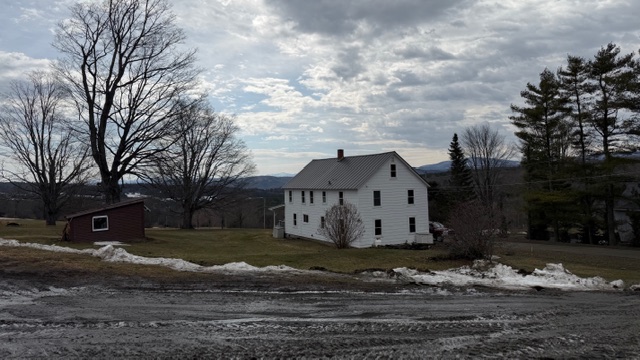
Mud season is when Randolph shows what it’s made of. The roads turn to pudding, the ruts get wicked, and the hills open just enough to remind you who’s still out there getting it done. Spoiler: it’s the folks boiling sap. And one of the great joys — and I’m being wildly generous with that word — of living in a rural town like ours is driving the back roads in March. You’re bottoming out in ruts deep enough to rip off your muffler, hoping you won’t get swallowed by a muddy river, and doing whatever it takes to keep the car alive while supporting your favorite mechanic’s 529 Plan. A relationship as important as your doctor, depending on who you ask, maybe more.
 Ask any sugar maker how the season is going, and you’ll get a version of the same answer — a shrug, a smile, a little humor, and a reminder they won't know till the season is over. It’s the kind of wisdom you only earn by living your life on freeze-thaw time. You haven’t truly lived until you’ve had to explain the science behind a frost heave to your kids — or to guests from the West Coast who are convinced you’re making it up.
These are the weeks when families across Randolph turn one of Vermont’s simplest ingredients into one of its most iconic products. Every farm has its own system, its own rhythm, its own way of working sweetness out of the sugarwoods. And every step in the process counts.
This year, I visited three of our local producers, CDA Maple, Silloway Maple, and Wood’s Vermont Syrup Company, to understand how they do it and what it means for a community that still depends on working land. Let me share with you what I gleaned.
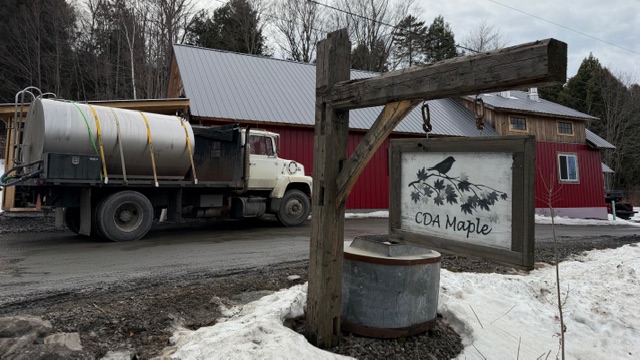
CDA Maple
When I ask Cody Armstrong how the season is going so far, he gives me a look that’s somewhere between a laugh and a plea for help.
“Well… I haven’t slept in four nights,” he says. “Does that answer it?”
It does — and it doesn’t. Because Cody’s exhaustion isn’t a complaint; it’s a rural badge of honor, the kind that comes from running a serious operation in a season that refuses to behave. This year’s sap is unusually high in minerals, and his reverse osmosis (RO) membranes are plugging about every four hours or so — just long enough to throw off the whole rhythm of the day.
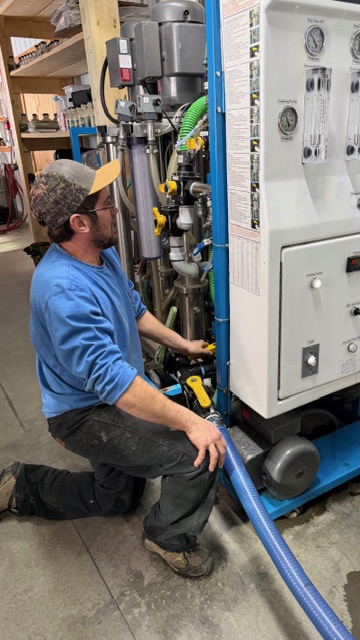 He watches the wash tank turn yellow, the telltale sign that the minerals are finally dissolving. “That’s how I know it’s plugged,” he says. “And if you can’t revive a membrane? That’s a thousand dollars gone.”
Cody’s reaction ends up echoing through every sugarhouse I visit — a blend of caution and wry humor that seems to be the universal language of maple producers in March.
Cody runs just under 9,000 taps of his own, plus sap from Albee Wood’s 7,000. Sixteen thousand taps worth of sap doesn’t care if you’re tired. It doesn’t care if you want to go home. It just keeps coming.
“I have to juggle the sap that’s coming in and getting rid of water to make room for more sap,” he says. “And then the machines plug up, and I’ve got to have enough water to wash them. It’s a lot of monitoring.”
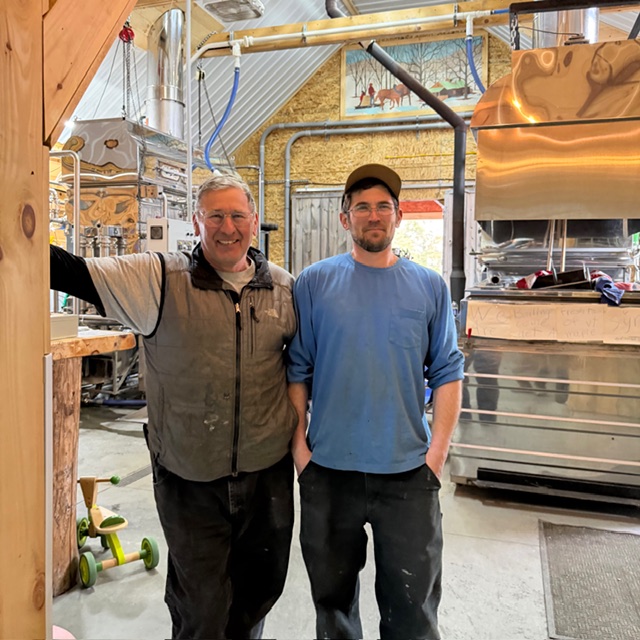
Cody’s father, Douglas, works alongside him — tapping, collecting, hauling sap, and keeping the operation moving. “Don’t forget to mention my forced volunteer labor,” Douglas jokes as he walks by. Cody laughs. “He’s a boiler now,” he says. “He used to be just a truck driver.” The Armstrongs are fifth-generation sugar makers, and the work they do together carries the weight of that history. Cody sees himself as part of a long arc, building on what came before him and making sure the next generation has something solid to stand on.
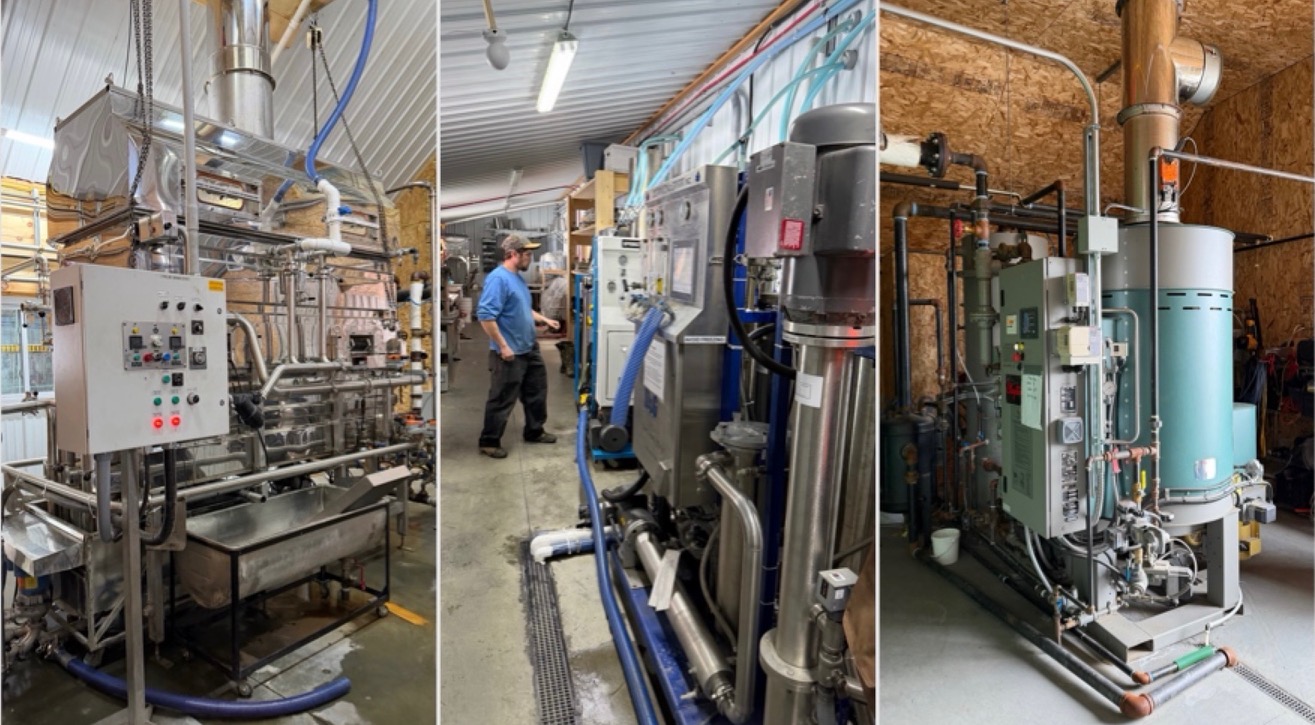
The Steam and the Systems That Keep It Running
The heart of Cody’s operation is a steam evaporator, a system so efficient it borders on futuristic. Instead of boiling sap over a flame, he’s cooking it with high-pressure steam inside stainless tubes.
“It’s impossible to burn the syrup,” he says. “With a conventional evaporator, if you make a mistake or it gets too thick, you can burn the syrup and your equipment. This eliminates that risk.”
The evaporator is compact compared to the traditional rig it replaced, yet far more powerful. “It’s wild,” he says. “This thing is tiny, but it outperforms the old one by a mile.”
Cody’s sugarhouse is a choreography of tanks, pumps, and lines — raw sap coming in from 2,000 taps behind his house, concentrate flowing into a refrigerated bulk tank, and finished syrup moving through a filter press charged with food-grade diatomaceous earth, a standard filter aid in sugaring. Every piece has to work. Every piece has to be monitored.
“You don’t make money in here,” he says, pointing to the evaporator. “You spend it. You make money in the woods.”
But the woods are only half the story. The other half is the technology that allows him to manage multiple remote sugarbushes at once. Cody pulls out his phone and shows me a live map of vacuum sensors across his lines. “I can literally see in real time if there’s a leak,” he says. “The tree thinks there’s more pressure than the atmosphere, so it keeps giving sap. That’s why we can run for five, ten days straight.”

The Sprague Partnership
One of the most important expansions in Cody’s operation sits miles from his sugarhouse, down in Brookfield behind the Sprague family’s dairy farm. With their blessing, Cody built a sap-collection system there that now gathers 4,500 additional taps — a project he describes as both a major investment and a meaningful partnership.
The Spragues allowed him to place a sap stand behind their freestall barn, solving what had become an impossible trucking route over a muddy dirt road. “They were gracious enough to let me,” Cody says. “If they’d said no, I wouldn’t have been able to do that woods.”
It’s a 20-year piece of infrastructure, built with a family he respects and a friendship he values.
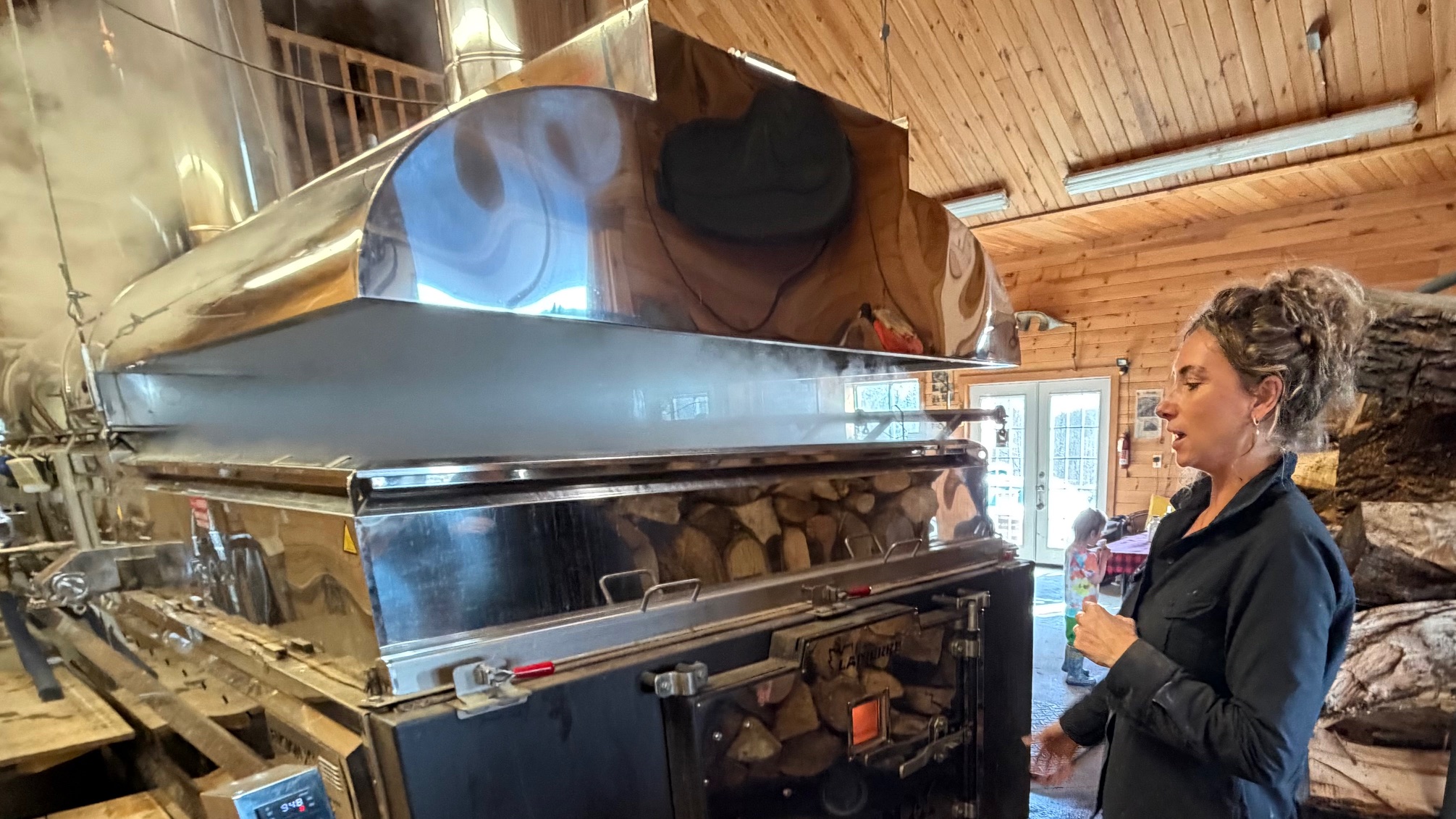
(Marilyn Lambert tending to the boiler at Silloway Maple)
Silloway Maple
When I ask Marilyn Lambert how the season is going, she smiles the way someone smiles when they’ve been asked this question for decades.
“We’ll tell you in May,” she says.
It’s not evasive. It’s experience. Silloway Maple runs 27,000 taps, boils over 40,000 gallons of sap a day, and processes more than a million gallons in a season. They’ve seen every kind of winter and every kind of spring, and they know better than to call a season before the last barrel is sealed.
“You never know what April will do,” Marilyn says. “So we wait.”
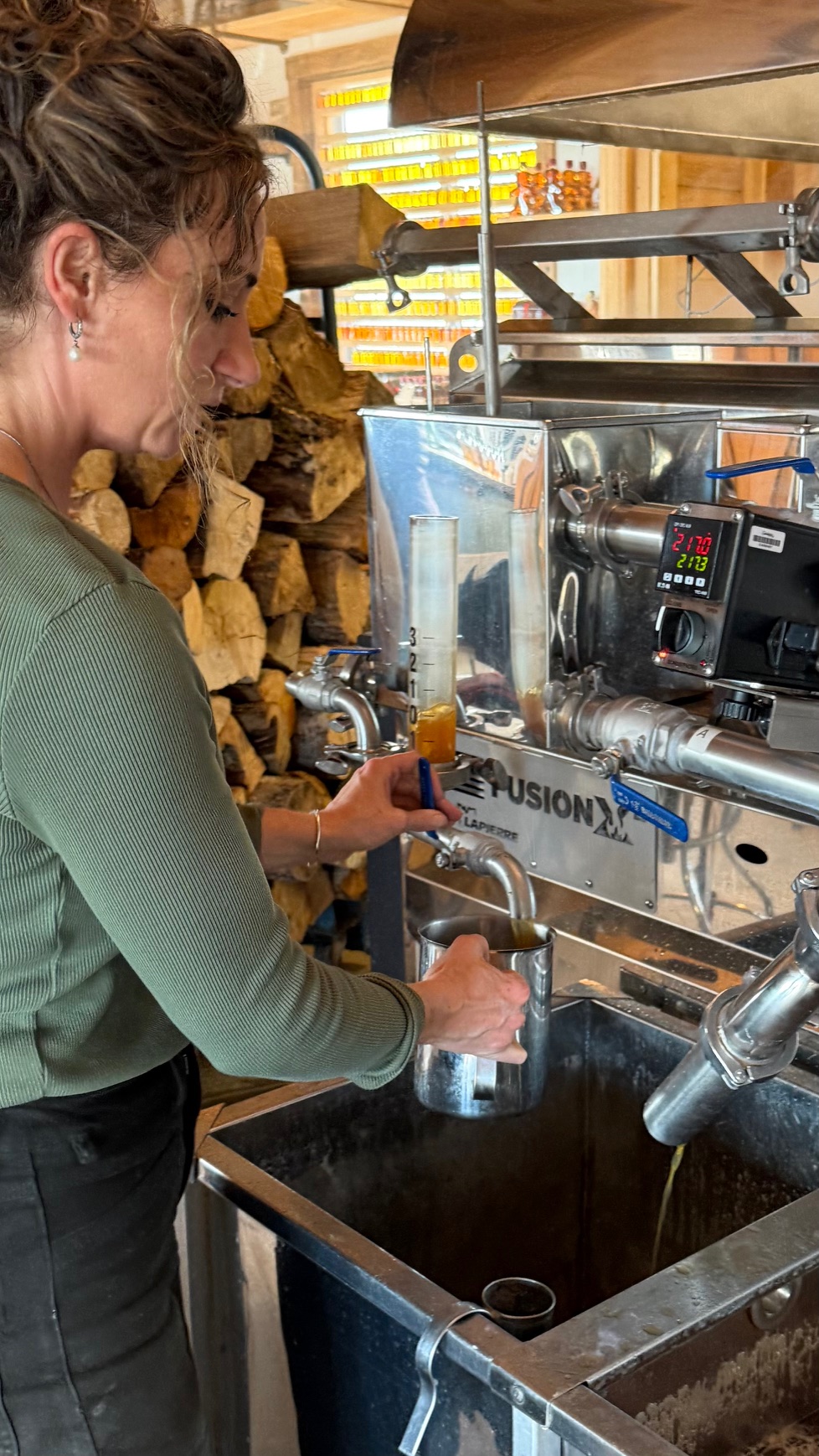 Marilyn talks about sugaring the way some people talk about a family reunion — a little chaotic, a little exhausting, but full of meaning. “It’s a community event,” she says. “Always has been. People stop in, neighbors check on each other, kids come to see the steam. It’s part of the rhythm of this place.”
She’s quick to point out that Silloway’s scale didn’t happen overnight. “We started with buckets,” she says. “Everyone did. You carried sap, you dumped it, you prayed the weather held. Now we’ve got vacuum pumps, stainless tanks, and a sugarhouse that can run around the clock. But the heart of it? That hasn’t changed.”
 Their reverse osmosis system reduces their wood consumption from what would have been thousands of cords to a manageable amount. Their 2,700-gallon refrigerated tank — an old dairy bulk tank repurposed for concentrate — lets them sleep at night. “Well,” Marilyn adds, “sleep some nights.”
They sell 80–85% of their syrup directly through their shop and online channels. Only 15–20% goes out in bulk. “We like knowing where it goes,” she says. “We like meeting the people who buy it.”
And when the season ends, they pivot seamlessly into summer with creemees, maple treats, and a farm store that has become a beloved community hub. “Sugaring is the start of our year,” Marilyn says. “It sets the tone. It reminds us why we do all the rest.”
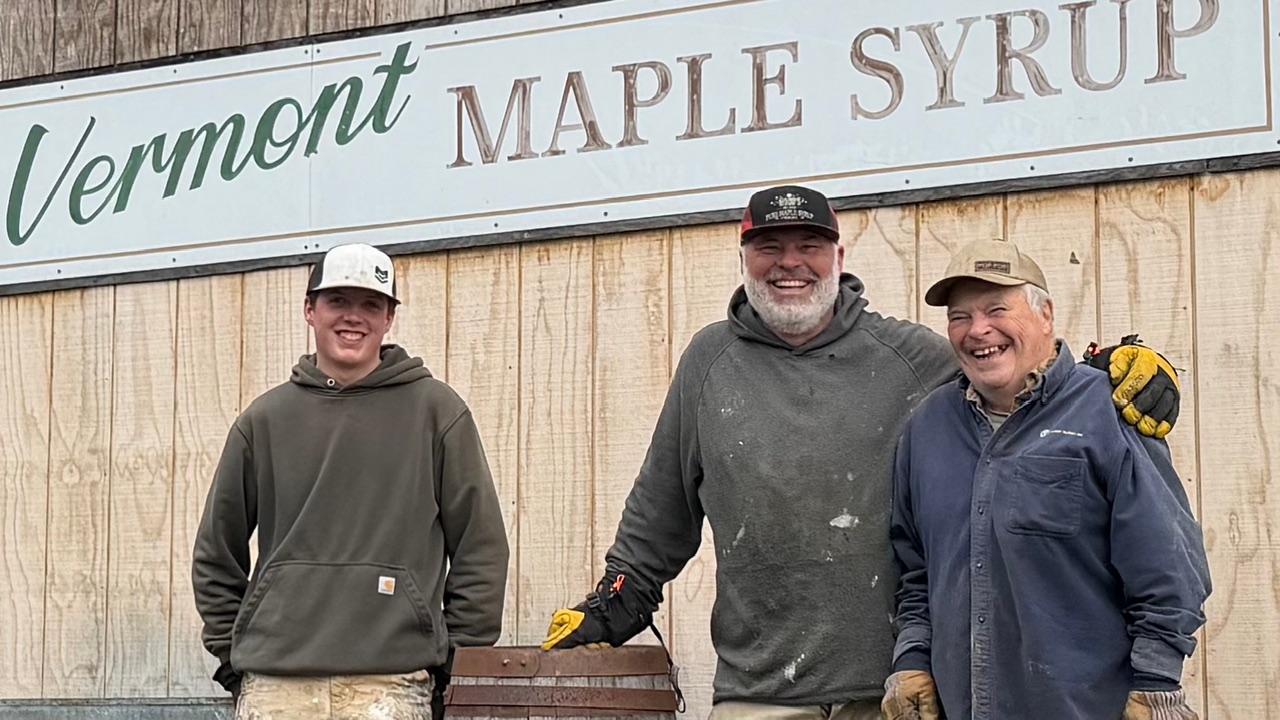
(Chase Martin, Albee, and Albert Wood of Wood's VT Syrup Co)
Wood’s Vermont Syrup Company
On Hebard Hill, closer to the valley, when I ask Albee Wood how the season is going, he doesn’t hesitate.
“My father taught me never to judge a season till it’s over,” he says.
It’s the same sentiment Marilyn offered. The Woods have been sugaring for generations, beginning with Charlie and Jenny Washburn, then Arthur, then Albert, and now Albee. Their hired hand, Chase Martin, taps and collects much of their 7,000-tap operation, but the philosophy remains the same — patience, humility, and respect for the trees.
Albee also knew that to grow, he needed something that set his syrup apart. That spark came when he began aging maple in freshly emptied bourbon barrels from Hudson Whiskey. Months later, when he opened that first barrel, the rush of sweet bourbon and deep maple told him he’d found it. The result — bourbon barrel-aged maple syrup — became the signature product that now anchors a lasting partnership and a sustainable future for his operation.
 They sell most of their syrup online, shipping Vermont sweetness across the country. Over the last century, they’ve had to sell off pieces of their land to get by, but they’ve held onto their sugarwoods — and the relationships with neighbors who’ve helped them along the way. Maple is a heritage here, and a family can hold land for generations because sugaring gives them a reason to stay connected to it.
Maple dovetails into the rest of the farm year like a hinge — summer haying, fall firewood, winter maintenance. The work in March makes the rest possible.
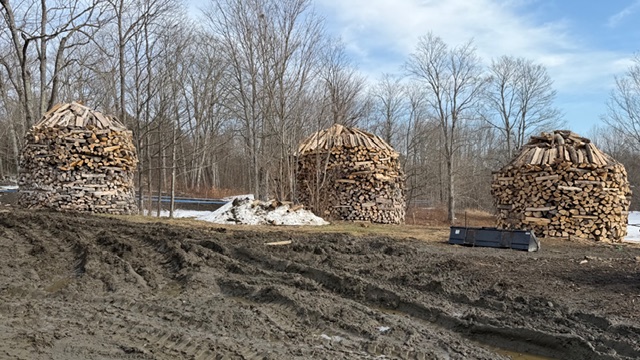
(Wood piled in round stacks known as Holz Hausen at Silloway's)
The Long Game
Across three sugarhouses, a shared truth emerges that sugaring is a long game. It begins early, long before most of us are thinking about spring, and it quietly activates one of Randolph’s most reliable economic engines. As producers head into the woods, local supply shops like Central Supply see their first rush of the year, mechanics stay busy keeping trucks and equipment alive, and dollars start circulating through town at a moment when many rural economies are still half-asleep.
What happens in the sugarbush doesn’t stay in the sugarbush. The income earned there moves outward — into equipment purchases at local suppliers, groceries, repairs at the garage, meals downtown, and the everyday spending that keeps our small businesses open through the shoulder seasons. That circulation is the backbone of a rural economy — money made here stays here, moves through multiple hands, and strengthens the community each time it turns over.
When producers invest in their operations, they’re also investing in Randolph — in its workforce, its services, its Main Street, and its future. Their success reinforces the businesses around them, which in turn support the next season, the next family, the next generation.
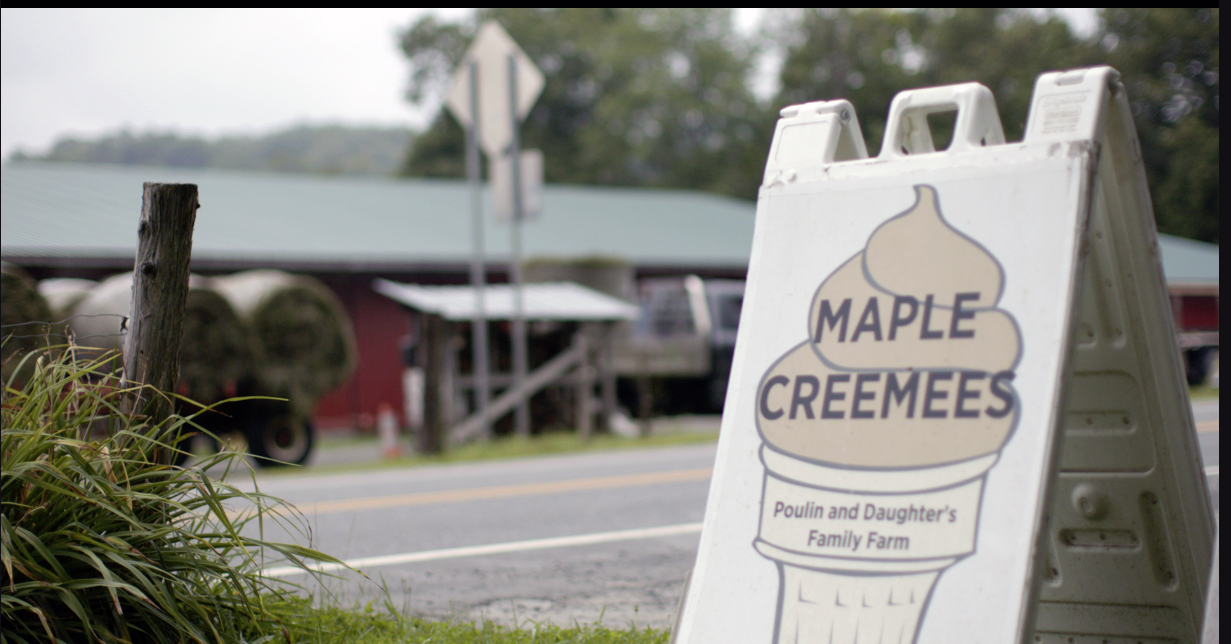
(Sign in front of Poulin and Daughter's Family Farm)